 Podcasts
Scaling Quality Engineering: How to Deliver Faster Across Global Teams with Sunita McCoy
Categories: Podcasts , Test Guild
Challenges in test automation and AI-driven quality transformation demand strategic alignment, cultural shifts, and leadership focused on outcomes, collaboration, and governance. Overcoming psychological barriers, balancing innovation with risk, and fostering human-AI collaboration through education and structured governance ensures sustainable adoption and aligns technical evolution with organizational goals.
 Podcasts
So testet Stiftung Warentest - Johannes Stiller
Categories: Podcasts , Richard Seidl Software Testing
Software testing and consumer product testing share user-centric methods, standardized procedures, and reliance on objective, bias-reducing techniques like blind trials and external collaboration. Both fields prioritize real-world usability, transparent processes, and aligning evaluations with consumer needs to ensure reliable, credible outcomes.
 Podcasts
The Human Edge: Software Testing in an AI-Driven World (with Ruslan Desyatnikov)
Categories: Podcasts , The Value of Software Testing
QA’s evolving role in the AI era demands balancing AI automation with human judgment, critical thinking, and tools like HIST to enhance testing accuracy. Human oversight remains vital for addressing AI limitations such as biases and non-deterministic behavior, alongside structured strategies, education, and regulatory safeguards to prevent errors and ensure ethical AI integration.
 Podcasts
Episode 228: Hangin' with Shachin and Pulkit
Categories: Podcasts , AB Testing
AI-driven test automation, as discussed by EverTests Shachin and Pulkit, enhances efficiency but requires human oversight to ensure accuracy and align with domain-specific needs, emphasizing strategic test curation over quantity. The conversation advocates for adaptive leadership, collaborative QA practices, and a shift from siloed testing to shared responsibility, balancing AIs potential with human judgment to avoid compromising quality in software development.
 Podcasts
Programming as an Act of Building Vocabulary
Categories: Podcasts , The BugBash Podcast
Large language models struggle with abstracting complex systems due to fragmented terminology and limited practical frameworks, highlighting the need for hands-on learning and deterministic testing to bridge theory and real-world implementation. The discussion underscores the importance of structured collaboration, human expertise, and foundational knowledge over overreliance on AI tools.
 Podcasts
The Hidden Playwright Advantage Developers Miss - Maciej Kusz
Categories: Podcasts , Software Testing Unleashed
TypeScript excels in web-specific test automation with Playwright through integrated tools, type safety, and front-end alignment, while Python offers broader flexibility for diverse testing scenarios despite requiring external plugins for advanced features. The choice hinges on project needs, team expertise, and tooling preferences, with Playwright’s modern features like auto-waiting and Code Gen enhancing its versatility over legacy tools.
 Podcasts
The human cost of the shift towards 80% of AI driven development - Into the MoTaverse - Episode 11
Categories: Podcasts , Into The MoTaverse
Claymer transitioned from a tech consultancy to a software-driven business streamlining UK R&D tax claims, while addressing AI’s transformative impact on code development and the human challenges of rapid technological change. The discussion highlights ethical AI integration, the redefinition of success in startups, and the balance between innovation, compliance, and sustaining purpose-driven growth.
 Podcasts
Trusting AI Agents
Categories: Podcasts , The Quality Beat
Ensuring trust in autonomous AI agents requires advanced testing to address probabilistic outputs, hallucinations, and prompt injections, which traditional methods fail to detect. Effective evaluation must scrutinize reasoning steps, biases, and systemic risks like cascading errors, while regulatory frameworks and continuous monitoring are critical for safety and compliance.
 Podcasts
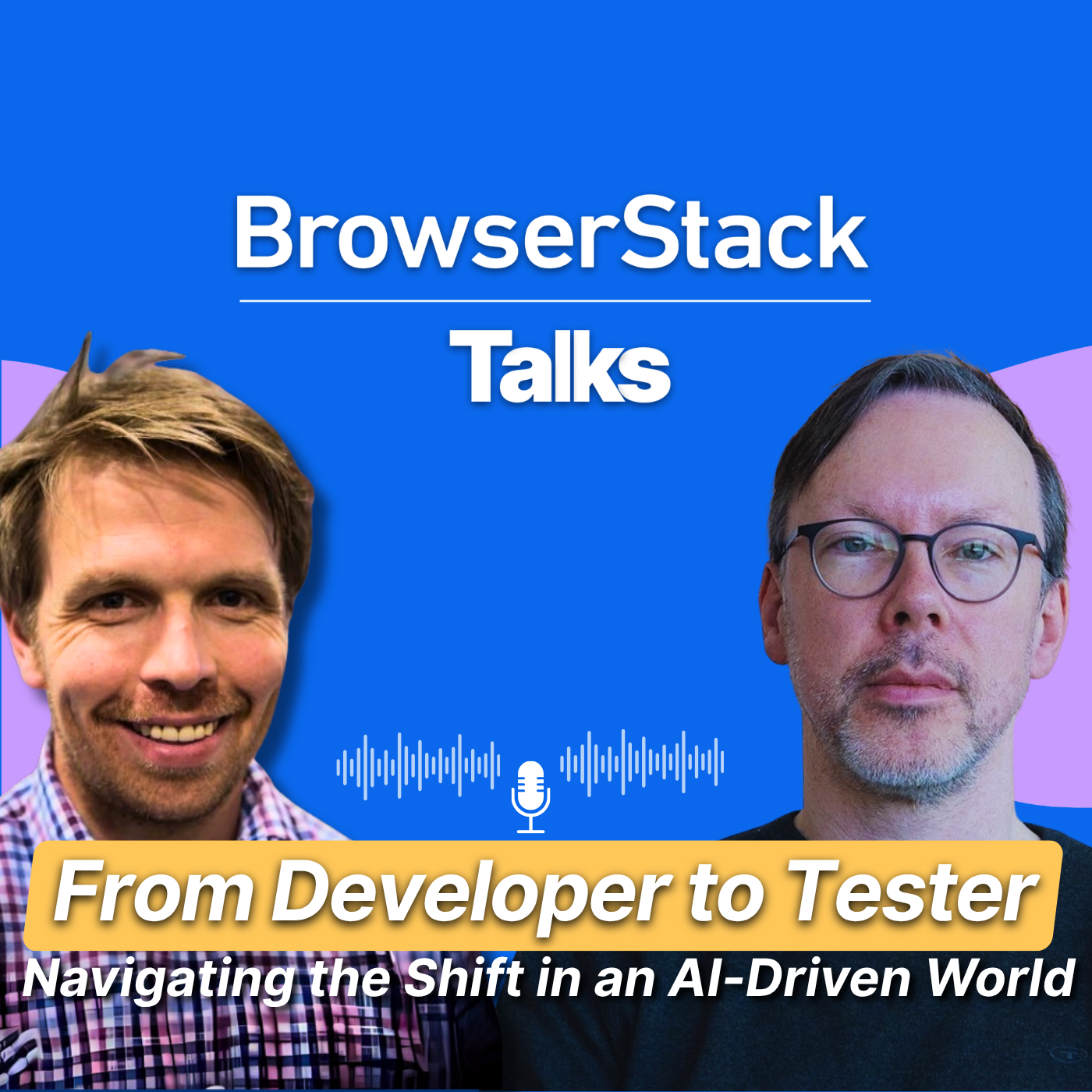
Navigating the Shift in an AI-Driven Testing World, Benjamin Bischoff , Trivago
Categories: Podcasts , BrowserStack Talks
AI enhances software testing efficiency through automation like Selenium but risks cognitive overload if overused, requiring QA engineers to balance innovation with strategic oversight. QA roles demand user empathy and technical depth, ensuring AI tools align with quality standards while fostering collaboration and adaptability in evolving testing landscapes.
 Podcasts
The Small Changes Series: Ep5 - 5 Steps To Prevent Burnout
Categories: Podcasts , Quality Talks
Strategies to combat burnout include self-reflection, stress tracking via journaling, and tools like the “stress bucket” and “zone model,” alongside boundary-setting and prioritizing work-life balance. Practices such as mindfulness, delegation, collaborative support, and intentional self-care are emphasized to sustain emotional well-being and prevent overwhelm.
Podcasts
Mobile Test Automation is Broken. Here's How QApilot Fixes It with Aditya Challa
Categories: Podcasts , Test Guild
Mobile testing faces automation gaps, framework incompatibilities, and device-specific challenges, with QA Pilot offering a mobile-first autonomous crawler, Flutter support, and real-user data capture to streamline complex scenarios. The tool combines human-AI collaboration, dynamic test prioritization, and BDD integration to address performance, accessibility, and scalability for enterprise-scale mobile apps.
 Podcasts
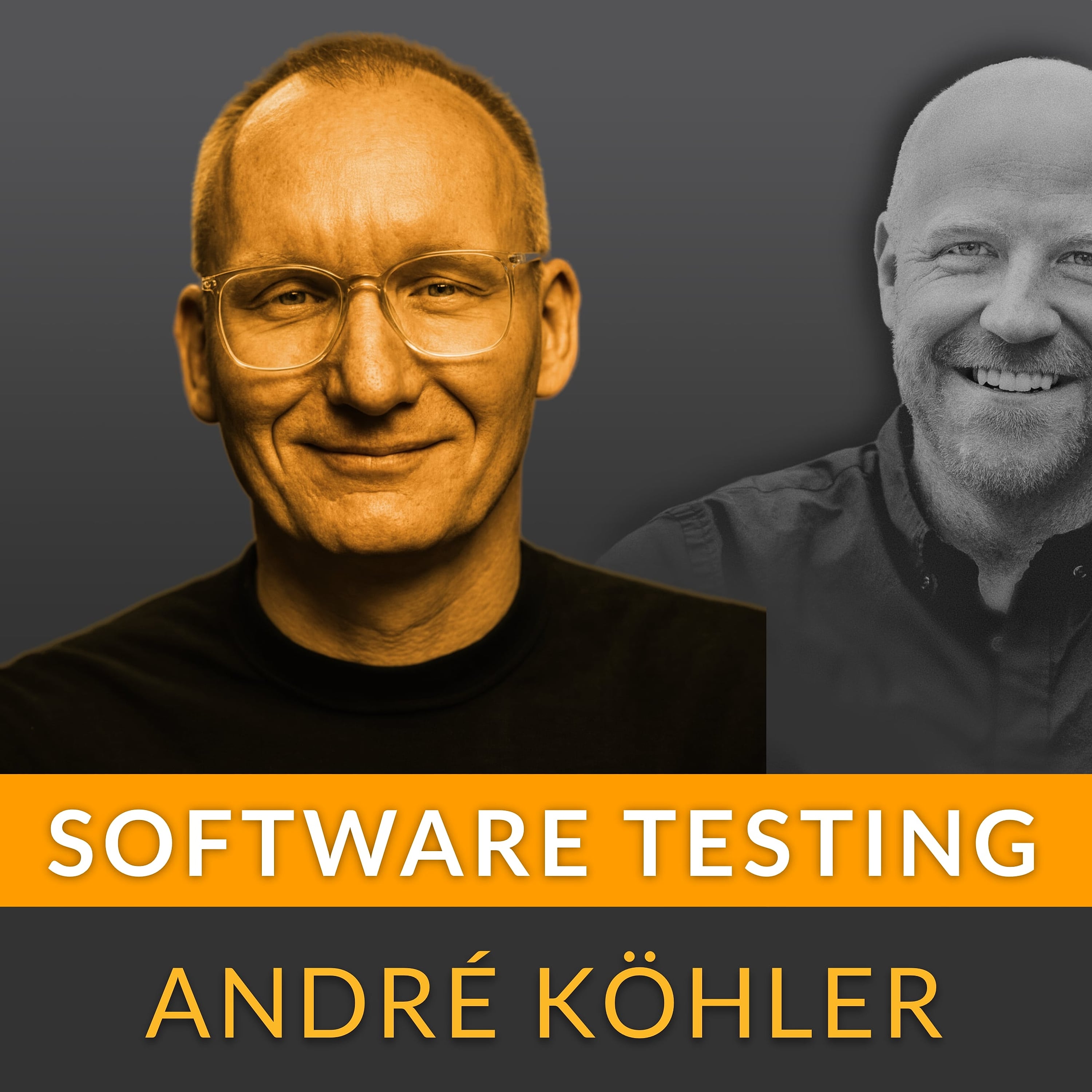
TACON - Eine Praxis-Konferenz rund um Testautomatisierung - Andre Kohler
Categories: Podcasts , Richard Seidl Software Testing
Tacon is a specialized test automation conference founded by Andre Kohler, now expanding to include test management and Agile practices, with the 2025 Leipzig edition offering intimate networking, real-world case studies, and a retro gaming area for informal engagement. It emphasizes practical insights and community-driven learning, blending technical depth with a familial atmosphere to advance automation goals across industries.